
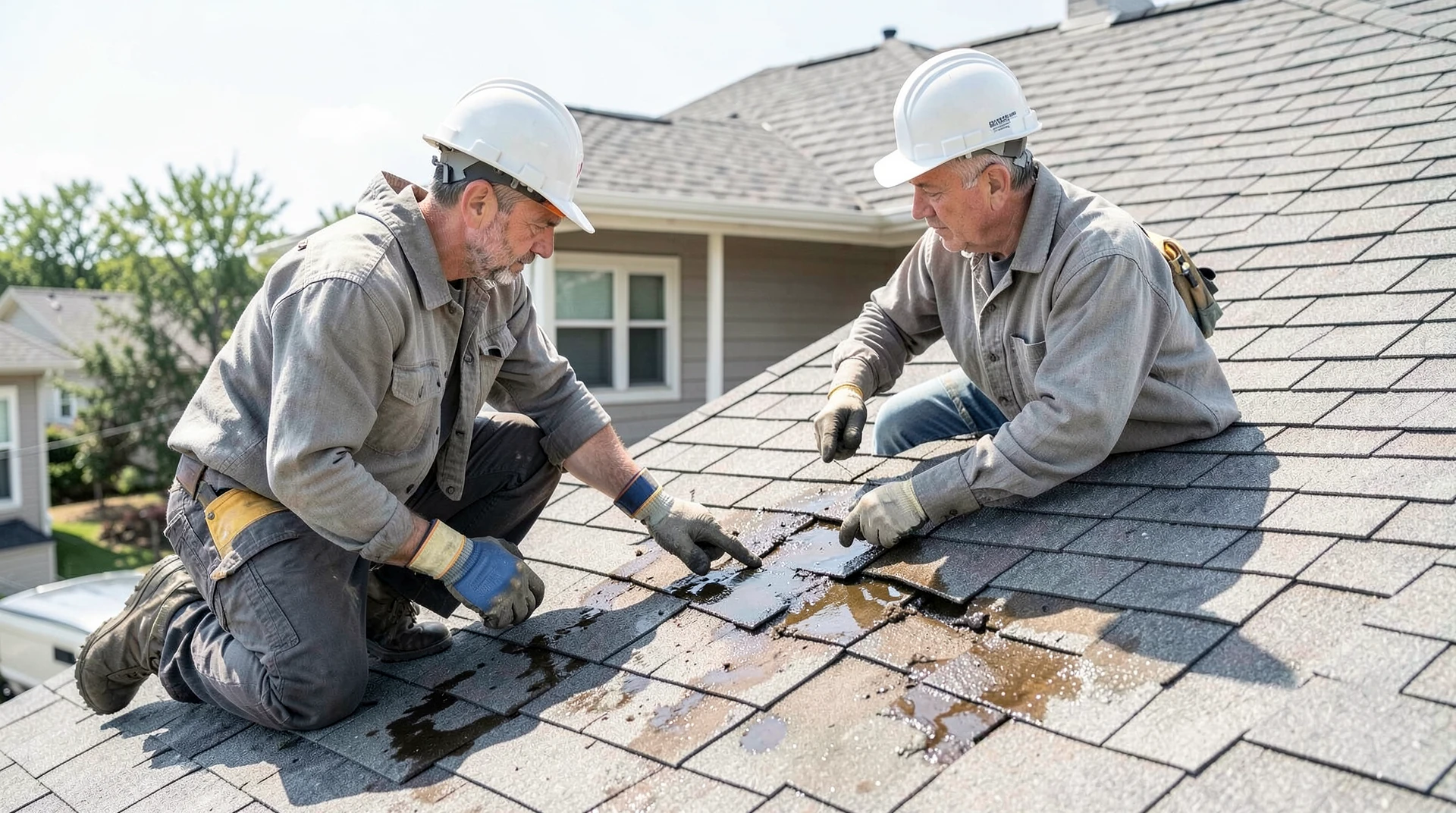
Finding a leak is terrifying. It brings with it not just the immediate worry of water dripping into your living space, but the deeper, more anxiety-inducing fear of hidden damage-structural rot in your attic, mold growth behind walls, and thousands of dollars in potential remediation. When you're faced with that first visible drip, whether after a sudden hailstorm or just years of gradual wear, the immediate question is: what do I do right now? You need temporary solutions before you can plan for permanent protection. As local experts who’ve been working on roofs across Dallas and Oak Cliff for two decades, we want to demystify this process. We're here to guide you through everything from initial triage steps to understanding when a quick patch actually becomes an emergency roof repair Texas issue that needs more attention than just a tarp.
When the Leak Starts: Immediate Steps for Temporary Damage Control
The moment water enters your home, every minute counts. The first priority must always be safety and assessment. We aren't talking about DIY fixes; we are talking about critical, temporary mitigation until a professional can step in. Here is exactly what you need to know right away.
First, safety first. Before anything else, assess the leak for immediate hazards. Does it seem like it could be near electrical wiring? Is there a heavy ceiling wet spot that suggests structural stress? Never attempt to climb onto saturated areas, as they can be extremely unstable. Your personal safety is paramount-always call us or emergency services if you suspect an electrical hazard.
Understanding temporary roofing solutions: This is crucial: we are talking about immediate triage, not a permanent solution. When professionals discuss proper tarps and flashing seals for temporary mitigation, they mean stopping the water ingress right now to buy time until a full assessment can be done. A high-quality professional application of these materials is purely designed to stop the bleeding; it is absolutely not a substitute for replacing compromised sections of roofing or decking.
The importance of redirecting water flow: Many homeowners assume the leak originates from the shingle itself, but often the true problem lies upstream. Is your downspout clogged? Are your gutters overflowing and channeling water directly against your foundation? We teach our neighbors how to temporarily divert water away from compromised areas-often by adjusting or temporary extensions to existing drainage systems.
Document everything: This is perhaps the most important step you can take after ensuring safety. Take high-resolution photos and videos immediately. Documenting the leak's exact location, its severity (is it a drip or a steady stream?), and the timing of when it appeared is critical evidence for both your insurance claim and our initial assessment process. Write down notes about how long the water has been dripping.
Beyond the Visible Damage: Why a Temporary Patch Isn't Enough
It’s easy to look at a simple hole in a shingle and think, "A patch will fix it." But this mentality overlooks the deeper science of water intrusion and structural integrity. As I often tell my clients-and this is coming from years spent on job sites across Oak Cliff-the danger isn't just the drip; it’s what the continuous wetness does to everything beneath the roof.
The true danger here is secondary damage. Water leaking through a tiny shingle hole is not merely water; it’s an agent of decay. It saturates and causes wood rot in the decking, compromises structural framing (like joists or trusses), and creates the perfect breeding ground for dangerous mold growth inside your attic or walls that you might never see until it's too late.
Addressing the 'Mold Factor': Mold remediation requires specialized knowledge and proper drying techniques. A simple patch job that only stops the drip at the source will not solve the moisture problem already compromised within your home's breathable spaces. The mold is often growing inside the structure, fed by years of trapped humidity, making comprehensive structural drying necessary alongside any repair.
The cost creep of inaction: I remember one homeowner who thought a minor leak was harmless for months. By the time he called us in an emergency, the water had compromised two main joists supporting his ceiling. A small, temporary leak now can escalate into thousands in structural repairs-like replacing entire load-bearing elements or trusses-if ignored for even a few weeks. This makes a thorough initial inspection an essential investment in your peace of mind.
Our detailed initial assessment process: Before any patch is applied, we conduct a methodical investigation. We don't just look at the surface; we check the underlayment integrity, inspect flashing materials (the metal seams around chimneys and vents), and test the decking itself. Our goal is to ensure we aren't just treating the symptom-the leak-but diagnosing the root cause of the failure, whether it’s poor drainage or material fatigue.
Triage to Transformation: Navigating Your Temporary Roof Needs
When you are dealing with a crisis, getting professional help can feel overwhelming. You need someone who is transparent about what temporary solutions entail and when they lead to something much bigger. This stage is all about education and trust.
What do professional temporary roofing solutions for leaks really involve? It’s far more sophisticated than just throwing a tarp over the roof, which only works in extreme cases. We are talking about stabilizing compromised areas using specialized materials-sometimes including temporary structural supports or advanced sealing compounds-while maintaining necessary support integrity and minimizing disruption to your daily life here in Oak Cliff.
Identifying systemic degradation vs. localized failure: A few leaks might be accidental flashing failures due to a poorly sealed vent, which is local. However, if you find multiple small leaks across different sections of the house, or if the entire system shows signs of age-related sealant breakdown, it points to a systemic issue. This could mean poor drainage capacity or that the roof membrane itself has reached its end of life, requiring full replacement.
Our commitment to clear communication: I understand why homeowners are wary. When you call in an emergency repair service, you worry about being pressured into unnecessary upselling. I want to be crystal clear: our job during a temporary fix is solely diagnosis and stabilization. We will explain why permanent work is needed-citing structural evidence like compromised decking or widespread flashing failure-but we will never push a sale just for the sake of it.
Understanding the timeline: A good expert provides realistic expectations. We walk you through the potential timelines: how long a temporary fix might last (a few months, maybe?), versus providing clear estimates and projected timelines for full replacement work. This ensures that when you leave our assessment, you aren't left waiting in the dark between immediate relief and concrete next steps.
The Long View: When Temporary Fixes Transition to Permanent Protection
Ultimately, temporary solutions are stopgaps. They buy time. But they do not solve the underlying problem of material fatigue or structural decay. Understanding when that transition point is necessary-from emergency repair to full rebuild-is key to protecting your investment.
When is it time to move past temporary solutions?: If the leaks are widespread, if we discover the decking beneath the roof structure is compromised and rotted, or if the visible aging (like excessive moss build-up, cracked seams, or warped flashing) suggests the entire system has reached its end of life, then a full replacement is absolutely necessary. Ignoring this final warning sign is just asking for a bigger disaster down the line.
Comparing materials for durability in Texas weather: When it's time to rebuild, you have choices. We walk through options-from high-impact asphalt shingles (great curb appeal) to standing seam metal roofs (maximum longevity and resilience), or TPO/Modified Bitumen for flat areas (ideal for commercial properties). Understanding which material best fits your home's aesthetic goals and the specific protection needs of Texas weather patterns is essential.
The value of comprehensive warranties: A proper replacement doesn't just cover the materials-it must cover both labor and structural integrity. We detail the types of local and national warranties available to protect your investment for decades. Knowing that your crew has been licensed and bonded specifically within Dallas/Oak Cliff County offers a massive layer of peace of mind that no insurance policy can replace.
Maximizing curb appeal and equity: I always frame roofing not as an expense, but as one of the most crucial investments you can make in your property. A new roof is one of the biggest structural upgrades that immediately boosts property value-a benefit visible from Bishop Arts to White Rock Lake. It’s about protecting the entire picture of your beautiful Oak Cliff home.

A Shield Built on Experience: Consulting with Local Experts
When water intrusion mitigation checklist items are being checked off, you need more than just a crew; you need local expertise and trust when seeking trusted roofing services near you. Our commitment is always to the home itself, not the immediate job.
Our history and local expertise: Drawing on two decades of experience-including complex commercial structures alongside residential builds across Dallas-we bring a comprehensive perspective to every single leak we encounter. We understand the specific challenges presented by established neighborhoods like yours in Oak Cliff.
The consultation process: When you call us, we invite homeowners for a clear, no-pressure assessment at 4122 Dutton Dr, Oak Cliff, TX 75211. This meeting is designed solely to answer all your questions about structural integrity, warranty specifics, and the overall scope of work-no hidden fees guaranteed. We treat this as a conversation between neighbors who are partners in protecting your home.
Addressing homeowner skepticism directly: If you're worried about being "storm chased," please know that our priority is always your house’s safety first. When we arrive at +1 469-589-3827, we treat your property with meticulous care-from the driveway to the landscaping. We clean up every last nail and piece of debris, guaranteed.
Final peace of mind: Choosing a local, licensed, and bonded crew means choosing someone who understands specific Dallas/Oak Cliff County regulations and can respond when you need us most. Don't wait until the drip becomes a steady stream. If you suspect any water intrusion or see signs of material fatigue, call us today for an initial inspection. Let Juan Torres help you find your urgent temporary roofing solutions for leaks and provide the peace of mind that comes with knowing your home is protected by true local experts.