
When Should I Worry About Unseen Roof Damage? Protecting Your Home’s Structural Integrity
Finding a visible leak is terrifying enough, but the real fear for any homeowner-especially here in established neighborhoods like Oak Cliff-is what you can't see. It's the damp spot behind the drywall, the rot hidden beneath the decking, or the systemic degradation that is slowly compromising your home’s foundation. As someone who has been working with roofing systems across Dallas for decades, I can tell you this: a roof is far more than just shingles; it is the primary shield protecting everything inside your walls and under your floors. This post isn't meant to scare you; it’s designed to empower you. We want to help you understand exactly when should I worry about unseen roof damage? By recognizing subtle clues, we can catch potential disasters before they become expensive structural emergencies.
Beyond the Visible Leak: Understanding When to Worry About Unseen Roof Damage
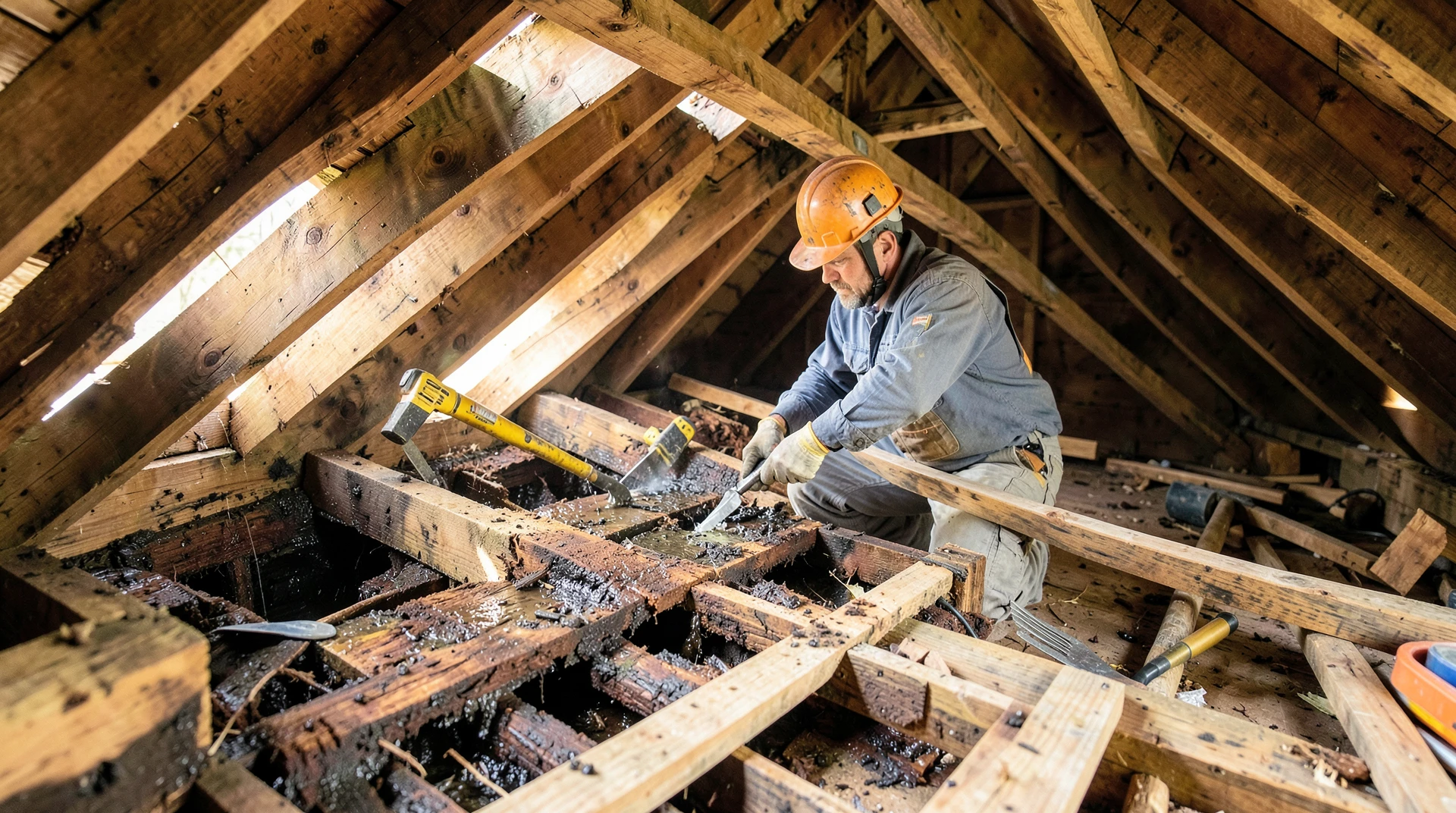
When people first talk to me about leaks, their mind is usually fixed on the drip in the bathroom or the stain on the ceiling. But true roofing failure often happens silently-high up, deep inside your attic or crawlspace. We have to think structurally, not just cosmetically. The biggest risk isn't a single, dramatic tear; it’s chronic moisture saturation and systemic decay that compromises the structural integrity of everything beneath the roofline.
To help demystify this, let’s define what we mean by "unseen damage." This includes:
- Water Saturation: Moisture trapped in insulation or within the wood decking itself (plywood rot).
- Flashing Failure: Small metal pieces around chimneys and vents-these are tiny points of entry that can create massive, unseen problems immediately adjacent to your structure.
- Decking Compromise: The plywood or OSB sheets beneath your shingles might be compromised by years of moisture and stress, creating pathways for rot long before you see a leak on the ground floor.
- Corrosion: Hidden metal components (like nails or flashing) rusting away over time weakens the entire system from within.
The goal here is to give you a checklist-a set of professional terms like 'hydrostatic pressure' or 'decking failure.' Knowing these terms doesn't mean you have to become a roofer, but it does mean you feel equipped and informed when speaking with your contractor. It allows us to move past finger-pointing and focus entirely on the structure’s health.
The Subtle Signs: What Visible Clues Point to Hidden Problems?
Sometimes, the warning signs aren't on the roof at all; they are inside the house. These secondary indicators tell a story of water intrusion happening above your head, long before you might notice an actual drip line. Pay attention to these subtle clues-they are often the first things that signal systemic failure.
Interior Indicators
Look up! Have you noticed:
- Musty Smells in the HVAC: If your air conditioning system smells like wet earth or mold, it's a massive clue. That smell means moisture is collecting somewhere and encouraging biological growth (mold/mildew) that is being sucked into your ductwork.
- Ceiling Stains or Discoloration: These are obvious signs of water movement. But sometimes the discoloration is subtle-a patchy yellowing or paint peeling near a junction point, which suggests chronic moisture exposure.
- Localized Wet Spots (Not Just Drips): This is critical. If you see unexplained wet spots on drywall or in the attic insulation that aren't directly under a visible pipe, it usually means water has traveled under the roof system and is collecting somewhere else-a telltale sign of an underlying failure point.
Flashing and Wear Patterns
These are areas often overlooked by casual inspection:
- Flashing Failures: Don’t dismiss the small pieces of metal around your chimney, plumbing vents, or wall transitions. These flashing materials are always under extreme stress. If they lift, crack, or show signs of corrosion, that's where water is infiltrating and creating unseen damage right next to your house structure.
- Granule Loss: While excessive granule loss on asphalt shingles might seem superficial, it can sometimes indicate underlying structural stress or inadequate drainage beneath the roofline. It’s a symptom we need to investigate further.
If you see any of these signs-especially multiple small leaks over time rather than one major failure-it's absolutely time to ask: when should I worry about unseen roof damage? The answer, based on professional experience, is immediately.
The Hidden Culprits: What Causes Unseen Roof Degradation in Oak Cliff Weather?
Oak Cliff weather presents a unique set of challenges. We deal with intense heat cycles, flash storms, and occasionally significant hail events. These elements don’t just make the roof look old; they accelerate structural fatigue. Understanding our local climate helps you understand the specific dangers to your home.
- Hail Impact: This is perhaps the most misunderstood culprit. A minor hailstorm doesn't just scratch the shingles; even small impacts penetrate and damage underlying materials-the decking itself. Over time, these micro-traumas create countless tiny pathways for unseen water intrusion that accumulate until a major leak happens.
- Chronic Drainage Issues: Many homeowners focus only on the roof, but I always tell them to look at their gutters and downspouts too. If they are poorly maintained, or if downspouts overflow near your foundation, they saturate the soil around your exterior walls. This structural saturation can compromise the house itself, which is damage unrelated to the roofing material, but often linked by poor site drainage.
- The Challenge of Age: Many beautiful, established homes in Oak Cliff were built decades ago using materials and construction methods not designed for modern Texas weather cycling-the extreme shifts from hot humid summers to cool dry winters. Older flashing metals or decking materials might be reaching the end of their inherent lifespan, making the failure systemic and unseen until it’s too late.
We recently had a job in a historic neighborhood where the owners thought only the visible shingles were failing. We found that the primary issue was decades-old galvanized nails rusting through into the wooden decking below, creating rot paths completely invisible from the street. It taught me that when should I worry about unseen roof damage? The answer is when the supporting structure shows signs of age and stress.
Beyond the Sight Check: The Deep Dive into Systemic Integrity
A basic visual inspection-a quick glance at the shingles-is useful, but it’s insufficient for protecting your home. To truly know the health of your roof system, we have to move past symptoms and examine the underlying mechanics. This is where a professional structural assessment becomes mandatory. We are assessing systemic integrity.
What Professional Roofing Inspection Truly Covers
A proper inspection involves checking multiple layers:
- The Decking: Checking the condition of the plywood or OSB sheets for rot, cupping, or warping-the foundation of the roof itself.
- Underlayment Barriers: Assessing the synthetic barriers and felt under the shingles. These are your first line of defense against water getting through a compromised shingle.
- Mechanical Penetrations: Scrutinizing every single point where something passes through the roof-vents, pipes, exhaust fans. These points require meticulous sealing and flashing checks.
We also consider moisture management systems. Modern roofing includes vapor barriers and careful slope management (pitch) that are critical for preventing internal rot before it has a visible symptom. If the pitch is wrong or drainage is blocked by debris, water will pool and cause unseen damage like fascia board rot or rafters bowing-a major structural concern requiring immediate attention.
We understand that this can sound overwhelming. I’ve learned over my 22 years in this business that the most important thing we do is provide clarity. We don't just point out problems; we explain why they are problems and what the long-term cost of ignoring them will be.
Securing Your Investment: Steps for Proactive Roof Protection
If you’ve read through everything above, your concern about hidden damage is completely valid. The good news is that proactive care gives you peace of mind. So, what do we do to secure it? We follow a transparent process built on decades of experience and local knowledge.
Our Rock Line Roofing Assessment Process

When you call us for a professional roof inspection Oak Cliff TX, here’s what happens:
- Detailed Visual Check: We start by examining the visible materials (shingles, flashing) to identify obvious failure points.
- Structural Deep Dive: We then assess the decking condition and the integrity of all mechanical penetrations and valleys-the areas where unseen water damage most often begins.
- Diagnosis & Report: We give you a comprehensive report that doesn't just list problems, but explains the risk each problem poses to your home's structural integrity.
It’s important to set expectations: sometimes, unseen damage means simply patching one area isn't enough. If the underlying components-the decking or flashing materials-are too old or compromised, we recommend resetting the entire system. This isn't about selling you unnecessary services; it's about guaranteeing that your home has a genuinely durable shield for decades to come. We are licensed and bonded specifically for Dallas/Oak Cliff County regulations, and I promise meticulous cleanup-we treat your property like it’s our own, leaving no mess behind.
Protecting Your Home's Value, One Shield at a Time
Ultimately, thinking about roofing shouldn't be viewed as an expense; it should be treated as the single most critical investment you make in maintaining and increasing your home's long-term value and curb appeal. If we react to a catastrophic water leak that compromises interior finishes or even your possessions, the cost is exponentially higher than simply performing a comprehensive structural assessment today.
The message I want every homeowner to take away from this post is simple: Being proactively concerned about when should I worry about unseen roof damage? means moving beyond waiting for the visible drip and starting with a thorough inspection of the entire system's health. It’s an investment in peace of mind. Our goal is to provide you with that deep, generational confidence-the kind of solid reassurance that comes from working with people who have been building community shields right here across Dallas for generations.
If you are feeling uncertain about your roof's true condition, or if you simply want a comprehensive assessment that goes far beyond just looking at the shingles, let us give you one. Let’s start with a conversation and a full structural integrity check. Storm Damage Roof Repair. Roof Coatings. Roof Inspection. Home.