
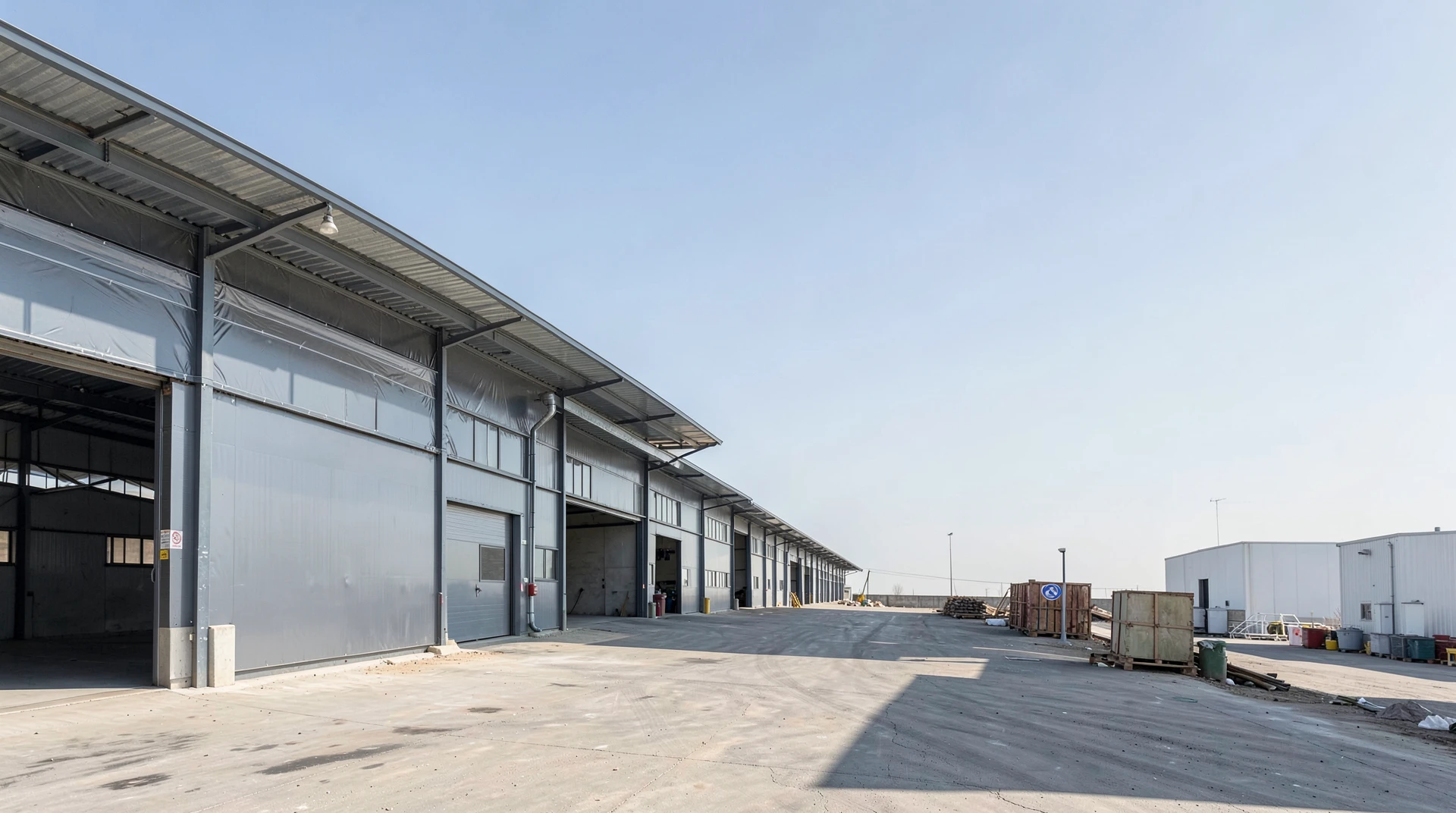
High Durability Roof Coatings for Industrial Sites: Protecting Your Investment Against Texas Weather
When you’re running a business-whether it's a bustling warehouse facility near the interstate or a specialized manufacturing plant in Oak Cliff-your roof is far more than just overhead shelter. It is arguably the single most critical, multi-million dollar shield protecting everything inside. I’ve spent my career focusing on commercial structures across Texas, and what I've learned over twenty years is that thinking of your roof as simply something to be replaced when it looks bad is a major mistake. The truth is, if you don't understand the chemistry of protection-the way modern high durability roof coatings for industrial sites operate-you risk waiting until a small leak turns into a catastrophic structural failure.
For property owners who view their buildings as long-term assets, preventative care is everything. This isn't just about patching leaks; it’s about reinforcing the entire system against the unique stresses of Texas weather and continuous commercial operation.
Beyond Shingles: Why Industrial Coatings Are a Structural Shield, Not Just a Skin
When we talk about roofing, the public often pictures shingles or visible membranes-materials that look like coverage. But for large-scale industrial operations, the roof faces threats that are completely different from what a residential home endures. These facilities deal with intense operational stress 24/7, exposure to chemical vapors, extreme temperature cycling (from blistering Texas summers to sudden cold fronts), and continuous UV degradation.
Standard materials simply cannot handle this cocktail of aggressive environmental factors combined with mechanical wear. They are designed for coverage, but they lack the systemic resilience needed to act as a true shield.
A coating solution fundamentally changes how your roof interacts with its environment. It doesn't just mask damage; it creates an advanced, protective layer that dramatically extends the lifespan of the underlying structure. Because I’ve seen countless facilities operate on outdated assumptions-fixing minor leaks instead of addressing systemic material degradation-I can tell you this: a true solution requires more than applying materials; it demands understanding the load-bearing capacity and structural integrity before any coating is even considered. This commitment to process over product is what separates a temporary fix from genuine, long-term asset protection.
The Science of Protection: How High Durability Roof Coatings for Industrial Sites Work
If you're curious about how these advanced coatings actually work-it’s genuinely fascinating chemistry. Many people are familiar with older roofing systems that relied on seams or multiple overlapping layers; each seam represents a potential weakness, a point where water can infiltrate under pressure.
Modern high-performance coatings (such as specialized silicone or polyurethanes) solve this by creating what we call a monolithic membrane. Think of it like a single, seamless skin applied over the entire surface. This monolithic structure means there are far fewer weak points and greater overall redundancy in the system.
These advanced materials aren't designed to just keep water out; they provide multiple layers of performance protection:
- UV Resistance: In Texas, where the sun is relentless, coatings must resist degradation that causes brittle material failure.
- Thermal Reflectivity: Many specialized coatings are highly reflective, which means they actively reduce the amount of heat absorbed by the building. This isn't just good for the structure; it translates directly into measurable reductions in your HVAC load and lower energy costs-a tangible operational saving.
- Chemical Inertness: Industrial sites often deal with everything from parking lot runoff to minor chemical spills. These coatings are engineered to be chemically inert, resisting degradation from common industrial contaminants.
When we talk about high durability roof coatings for industrial sites, we’re talking about materials that resist not just rain and sun, but punctures, impact damage from equipment, and rapid material fatigue over time. When you weigh the upfront cost of a coating against the perpetual expenses of maintenance downtime, emergency repairs, or massive energy bills-the equation shifts dramatically in favor of preventative protection.
Navigating Your Roof’s Lifecycle: When Coatings Outperform Replacement
This is perhaps the question I hear most often from property managers and facility owners: "Do we need to tear off the whole roof and replace it, or can a coating fix the problem?" My answer-and this is where my experience comes into play-is that the answer is not always replacement. Treating every aging roof as needing a full teardown is often unnecessary, costly, and logistically nightmarish, especially if the building remains occupied.
The key to making the right decision is a deep-dive assessment. We initiate what I consider our signature move: a detailed, season-specific inspection. This isn't just walking around looking for visible puddles. It involves checking the flashing integrity (the metal pieces that seal where the roof meets walls or equipment), assessing the underlying decking condition, and diagnosing the root cause of any historical failures.
Coatings are often the perfect mid-life intervention. They restore high performance-that seamless shield-and curb appearance without the massive logistical headache, noise pollution, and cost associated with a full tear-off. For instance, I recently worked on an aging metal facility in Oak Cliff, TX Roof Repair that was structurally sound but showing signs of "rust creep" and acidic rain damage at its seams. A specialized coating provided immediate, comprehensive protection against further corrosion and water ingress, saving the owner hundreds of thousands of dollars compared to a full replacement cycle.
Designing Longevity: Selecting the Right Coating for Your Specific Asset
The biggest misconception people have about commercial roofing is that there is a one-size-fits-all solution. There isn't. The right coating must be meticulously matched to three factors: the roof’s existing material, the intense local climate (like our cyclical rain and heat shifts), and most importantly, the facility’s specific function. A loading dock area with heavy impact stress needs a different formula than an administrative office wing that sees little foot traffic but requires superior aesthetic integration.
This leads me to the single most important principle in roofing: preparation. I will tell you straight-80% of the success and longevity of any coating job happens before the paint even hits the surface. This means meticulously cleaning every trace of debris, repairing micro-cracks in the underlying material, ensuring all flashings are secure, and verifying proper drainage flow across the entire plane. Skipping this step is like putting a beautiful coat on a ripped jacket; it won't hold up.

We must discuss specific types-whether that’s TPO, EPDM, or specialized coatings applied over existing bitumen-but we always explain why one type offers superior performance for your particular use case. Proper selection and application are the critical factors in maximizing the lifespan and performance gains derived from high durability roof coatings for industrial sites.
Protecting Your Investment, From Warehouse to Home
While our focus here has been on the large-scale assets-the massive commercial facilities that require intensive materials like those used in high-durability roofing-I want to bring this conversation back down to a more neighborly level. The principles we discuss regarding structural integrity and preventative protection apply everywhere you own property, whether it’s a sprawling warehouse or an established home in the Bishop Arts district.
When I'm speaking with homeowners who live from White Rock Lake to Trinity Groves, they often worry about things like flashing degradation around windows, gutters overflowing into fascia boards, or small leaks that seem minor but point to systemic issues. We treat every residential property with the same level of meticulous process and transparency we use on a major commercial site.
Our commitment is to proactive, preventative care. Just as an industrial asset needs specialized coatings to resist corrosion and heat, your family home needs regular check-ups for things like gutter system efficiency or subtle material wear that signals trouble before visible damage occurs. Don't wait until the first noticeable drip during a storm to call us. A detailed inspection is not an expense; it's the necessary investment in keeping your home looking its best and, more importantly, protecting you from hidden structural nightmares down the line. If you’re wondering about maintaining or improving the long-term value of your property-whether it's a huge commercial complex or your family residence-a reliable inspection is always the smartest first step. Home. Roof Inspection.