

Finding a drip, or seeing that faint discoloration on an interior ceiling, can be deeply unsettling. It’s often easy to brush off these small signs-“Oh, it’s just condensation,” or “It’ll probably dry out.” We understand the temptation to dismiss them, especially when you're managing a busy life in Oak Cliff. But as someone who has worked on roofs across Dallas for decades, I can tell you that those minor drips are rarely benign. They are warning signs.
A roof is far more than just a protective layer of shingles; it’s the primary shield for your entire investment. It dictates the structural integrity and the long-term value of everything under it. When we talk about what are the risks of ignoring minor roofing leaks?, we aren't just talking about costly patches-we are discussing systemic decay that starts in the shadows, far from your eye line. Ignoring a small leak doesn't mean temporary inconvenience; it means allowing deep, hidden damage to begin where you can’t even see it yet. Early detection is always, without question, cheaper than emergency remediation.
More Than Just a Wet Spot: Understanding the True Costs of Small Leaks
Why do people dismiss minor leaks? Usually, it's because the damage isn't immediate or visible-it requires some kind of investigation to prove its existence. The true cost of ignoring these small issues is that they allow water to initiate a cascading failure across multiple systems. It’s never just about wet ceilings; it’s a process of systemic decay starting with materials you rely on every single day.
When water penetrates the outer layer, it immediately begins compromising the underlying structure. When water penetrates the outer layer, it immediately begins compromising the underlying structure; for reliable assessment, you should consult with Lake Highlands roofing experts. We find that homeowners often underestimate how quickly a small leak can turn into a massive structural headache because they only see the water stain, not the unseen process happening above their drywall.
Here at Rock Line Roofing, we teach our clients this principle: don't wait for the drip to become a steady stream before calling an expert. A proactive roof inspection is your best defense against these hidden costs. We believe in straightforward pricing and solid warranties, which means helping you find the problem before it causes tens of thousands of dollars in secondary damage.
The Immediate Structural Threats: How Water Works in the Hidden Spaces
If you think a leak just drips straight down into your attic or crawl space, think again. Water intrusion is far more complex and insidious than gravity suggests. It follows paths-it’s attracted to weak points like flashing seams, nail holes, poorly sealed joints, and any crack where two materials meet. These are the places that cause the majority of minor leaks. If you think a leak just drips straight down into your attic or crawl space, remember that professional roof repair specialists can identify the true source of water intrusion.
These small entry points allow sustained moisture into the sheathing (the plywood or OSB panels laid directly beneath your roofing material). Sheathing is critical because it provides the foundational stability for everything else. When this wood gets repeatedly soaked, it begins to weaken, leading to what we call compromised sheathing. If enough of these structural components are weakened, you can see visible signs like sagging ceilings or stress cracks in walls and floors below.
The greatest danger lies with deteriorated flashings and seams-the metal pieces designed to waterproof transitions around chimneys, vents, and valleys. These areas take the brunt of weather exposure. When they fail, even slightly, water gets into the core system. Sustained moisture doesn't just soak; it chemically weakens load-bearing materials over time. This makes future repairs exponentially more complicated because you aren't just fixing a leak; you are dealing with compromised structural wood that might need full replacement. If you are concerned about potential issues with your roof’s integrity or want to get a free estimate before deterioration worsens, we can help assess those vulnerable seams.
The Invisible Damage: Mold, Rot, and Electrical Hazards
This is where the anxiety usually peaks, because the damage becomes invisible until it's too late to ignore. When we talk about what are the risks of ignoring minor roofing leaks?, secondary damage is often the most terrifying part for homeowners. We’re talking about mold, rot, and serious electrical hazards.
First, let's discuss mold growth. Attics and crawl spaces are perfect humid environments. Constant moisture allows mold to flourish on wood, insulation, and drywall. This isn't just a cosmetic issue; it is a significant health hazard. For those with allergies or respiratory issues, this can lead to chronic problems that require specialized remediation-and certainly more than just painting over the stain.
Second, there is the threat of wood rot (dry rot or wet rot). Constant moisture accelerates the decay of rafters and joists, which are absolutely essential load-bearing components. This type of structural failure requires immediate professional intervention. These elements support your entire house, and their integrity cannot be taken for granted.
Perhaps the most urgent risk to understand is the electrical hazard. Water dripping into junction boxes or reaching wiring creates an immediate short circuit potential-which translates directly to a fire risk. Dealing with this kind of system shutdown isn't just costly; it’s dangerous. Because these issues are so hidden, they make it incredibly difficult for insurance adjusters (and future owners) to assess the true value of your property if you don't have professional documentation and remediation records.
(Anecdote: I remember working on a beautiful home in Oak Lawn where the owner only noticed a leak when his HVAC unit started acting up. We found that the moisture hadn't damaged the AC itself, but had caused extensive mold growth on the insulation around the electrical components leading to it. The initial drip was a warning sign for much more than just water damage.)
The Financial Fallout: How Minor Leaks Affect Your Investment's Value
Let’s cut through the technical details and talk about dollars and cents, because ultimately, this is about protecting your investment in Oak Cliff. People often underestimate the compounding nature of repair costs. They see a $500 patch job for the leak itself, but they don't factor in the secondary damage. If you are concerned about potential damage, it is wise to start your roofing estimate before minor issues become major expenses.
A small leak can necessitate multiple, costly repairs: replacing drywall panels, repainting entire sections, repairing compromised HVAC components that were damaged by humidity, and potentially replacing structural lumber. These costs compound rapidly, turning a minor maintenance issue into a massive financial burden. If you are planning for a future new roof installation process, knowing the true cost of preventative repair versus emergency damage is vital.
We understand the skepticism around pricing-you worry about "price gouging." Our model is built on transparency and trust. When we perform an inspection, we find the problem; we then give you an honest estimate for the necessary fix, nothing more. We don't upsell based on what looks most profitable to us; we advise based on structural necessity.
Think of your roof as contributing significantly to your home's curb appeal and overall asset protection in desirable Oak Cliff neighborhoods-from Bishop Arts to White Rock Lake, every detail matters for resale value. A sound roof doesn't just keep rain out; it protects the entire property investment that you’ve worked so hard to build up. For homeowners in Oak Cliff, TX, understanding your roof’s role is key to protecting your investment, and you can get a free quote to start that assessment.
When to Call an Expert: Your Action Plan for Leak Prevention
So, what should a homeowner do? Knowing what are the risks of ignoring minor roofing leaks? can be alarming, but knowing your action plan helps. First, let's get specific about symptoms.
Symptom Checklist: Don’t Wait for the Disaster
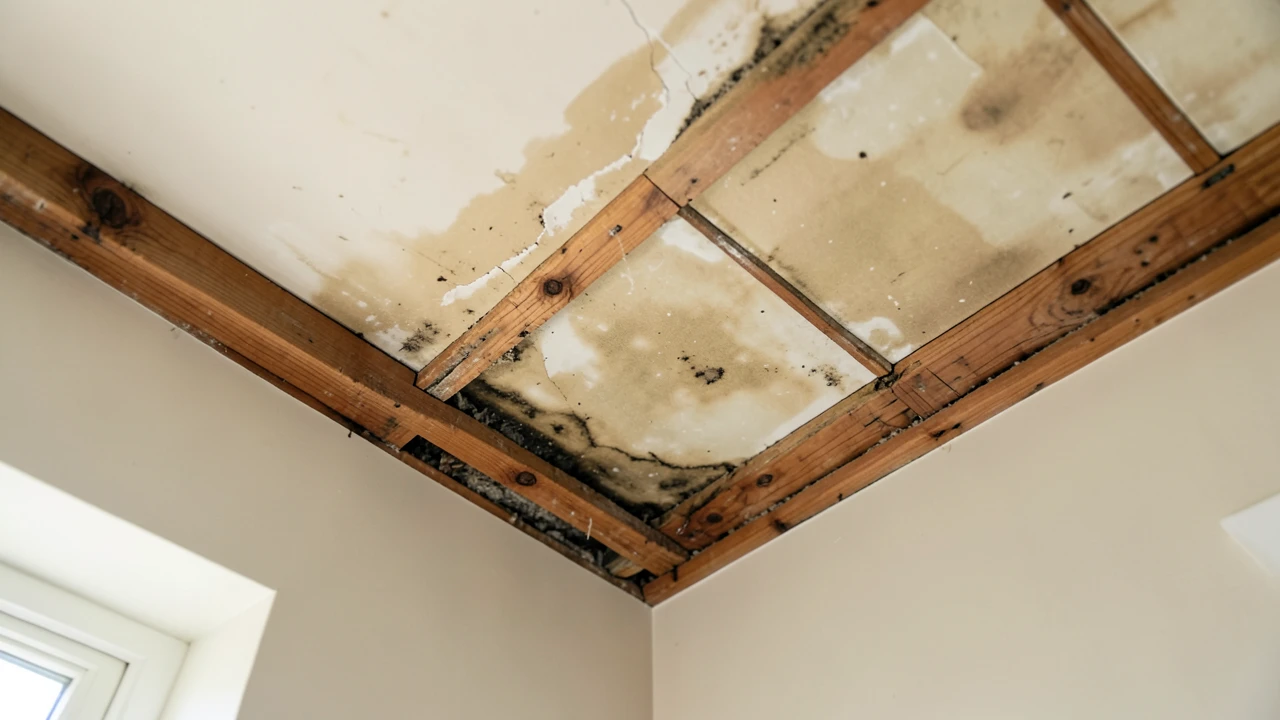
Use this simple checklist to gauge your home's condition. If you notice any of these, it's time to call us:
- Musty or damp smells that linger in the air (signs of mold/mildew).
- Visible discoloration, staining, or water marks on eaves, ceilings, or interior walls that refuse to fade.
- Water stains accompanied by small sections of peeling paint or deteriorated caulk lines.
- Any noticeable sag or bowing in your ceiling or structural elements.
While waiting for a professional assessment, there are temporary measures you can take-like placing buckets under obvious drips-but please understand: these methods only manage the symptom; they do not solve the root problem of water intrusion.
The single most important step is scheduling a comprehensive Roof Inspection. This inspection is non-invasive and allows us to identify hidden issues, like compromised flashing or slight sheathing decay, before they become crises that threaten your structural integrity. We don't just patch; we assess the entire system, ensuring long-term peace of mind with reliable warranties built on decades of experience.
(Quote: "A roof is more than just shingles; it’s the primary shield for your investment,"-This summarizes our core belief at Rock Line Roofing.)
If you live in an established home across Oak Cliff and are concerned about potential hidden damage, don't let a minor leak turn into a major disaster. Call us today at +1 469-589-3827 or visit us at 4122 Dutton Dr, Oak Cliff, TX 75211. We treat your property like it’s our own: meticulous cleanup from the driveway to the landscaping, guaranteeing you get back into your home worry-free.